No products in the cart.

How to Craft Unboxing Experiences Using Paper Packaging
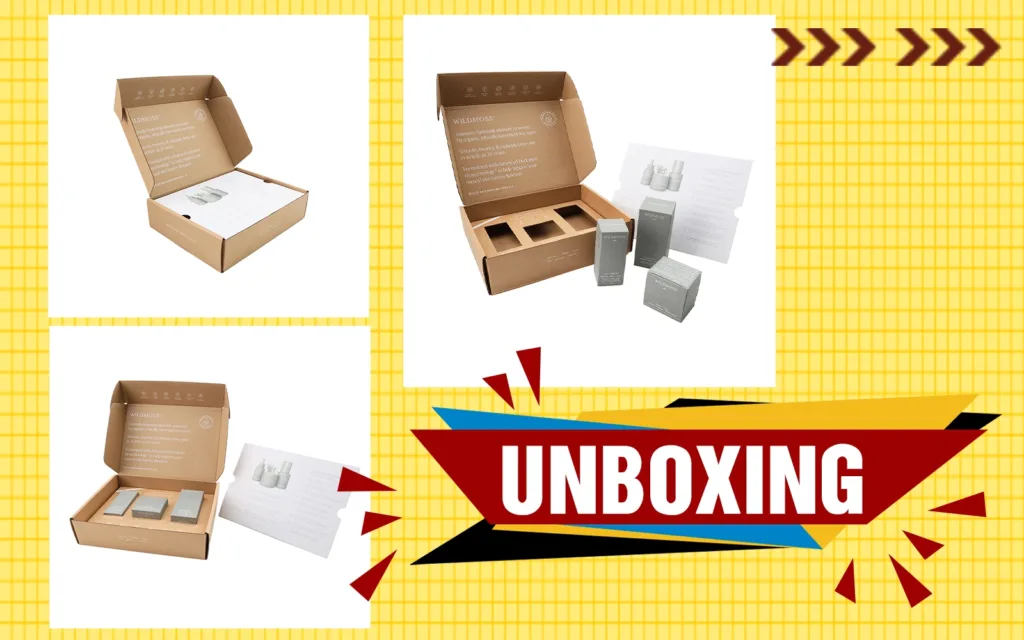
- More and more businesses are realizing that packaging can offer consumers a much richer experience beyond basic protection. The unboxing experience is the first interaction a buyer has with the brand after purchase, influencing the perceived value of the product and the likelihood of repeat purchases. A successful unboxing experience can potentially turn a one-time transaction into multiple repurchases.
- The shipping box, the core brand packaging box, and the inner lining each play a different role and express different philosophies. The most important function of the shipping box is to withstand the pressure of transportation and protect the core product. It must also be easily identifiable by the brand and product contents. Furthermore, it should convey the concept of sustainability. The core brand packaging box requires a clean seal, exquisite yet sturdy paper, and a suitable box shape. The inner lining, including wrapping paper, thank-you cards, stickers, and other fillers, is where surprises are created.
- Choosing the right paper type to match your brand positioning is crucial. If you want to convey a message of environmental protection and sustainability, consider kraft paper, corrugated paper, or specialty white cardstock that doesn’t require lamination. Higher-quality cardstock conveys a sophisticated feel and is suitable for fine printing. Meanwhile, some non-recyclable and non-explainable specialty papers are better suited for products that aim for uniqueness and individuality. In addition to considering the material, the techniques used on the material must also be considered: layering, embossing, debossing, raised printing, hot stamping, oiling, spot UV coating, etc., can all create different textures.
- Unique box design. Monotonous designs have dulled consumers’ senses and failed to leave a lasting impression. A slight innovation in box shape or style can transform functional packaging into a novel exploration. Even if packaging is typically disposable, it can stimulate repeat purchases or generate more social media sharing.
- By focusing on structural design, the product and packaging can work together to effectively protect the product while also providing a novel experience. For example, the style of the opening, the tear strip, and the integrated inner lining—different opening methods create different atmospheres, as ordinary opening methods may not be suitable for all products. The premise of adjusting the packaging structure is to ensure that it provides adequate protection for the product; this is non-negotiable. If the product arrives damaged, even the most attractive packaging is meaningless.
- Sustainability is a principle that must be upheld. Use recycled or traceably sourced paper whenever possible, along with biodegradable inks and adhesives that do not cause pollution. Paper-based solutions offer a clear lifecycle endpoint, such as recycling, industrial composting, or reuse. Clearly indicating materials and disposal methods on packaging reduces consumer confusion and improves customer satisfaction.
- Intentionally increasing packaging durability and extending its lifespan is crucial. Packaging is typically a single-use product; optimizing it for reusability represents a significant leap forward for brands. When packaging remains in a consumer’s home for an extended period, it can unintentionally strengthen the brand’s image in the consumer’s mind, leading to repeat purchases. For example, designing paper jewelry boxes for storage.
- Create meaningful brand interactions on packaging. Simple thank-you cards, QR codes, samples, or coupons can deepen the post-purchase relationship. It makes consumers feel rewarded when they unbox the product. Encourage sharing by making the packaging photogenic, turning customers into brand advocates.
A luxurious and unforgettable unboxing experience can turn your product into a story that consumers are eager to share. This is an effective way to expand brand influence and increase customer loyalty. A positive unboxing experience is highly likely to increase consumer purchase frequency and enhance brand affinity, thereby building a longer-lasting relationship.
Latest News
How to palletise Paper Boxes for Export Shipping?
November 13, 2025
How to Use Packaging as A Marketing Channel for Repeat Purchases
November 6, 2025
How to Choose Between Stock Boxes and Fully Custom Printed Boxes
November 5, 2025
How to Decide Board Thickness for Shipping vs Retail Boxes
October 31, 2025